Thinking about selling your Sun City home so you can simplify, unlock equity, and right‑size your lifestyle? You are not alone. Many Sun City owners choose to downsize for easier maintenance, lower costs, and a home that fits how they live now. In this guide, you will learn how to prep your home for 55+ buyers, time your sale around local demand, coordinate the sale with your next purchase, and plan your proceeds. Let’s dive in.
Know your Sun City market
Sun City is a well known active‑adult community in Maricopa County with single‑story homes, golf, and recreation centers that attract buyers looking for low‑maintenance living. The area has a high median age, which shapes what buyers want and how they shop. If you like to review data, you can explore the local age profile on the Sun City page at Census Reporter.
Market snapshots for Sun City vary by data source. You will see medians reported from the low 200s into the low 300s depending on whether the provider tracks list price or closed price, which neighborhoods are included, and whether condos or manufactured homes are in the sample. Use the range as a starting point and ask for a current, neighborhood‑level CMA to price your specific floor plan.
When you compare your tax bill with market prices, remember that assessed values differ from what buyers pay. The Maricopa County Assessor’s summary shows FCV and LPV used for tax purposes, not listing prices. This can help you set expectations when you look at comps and net proceeds.
What 55+ buyers want
Older buyers are a growing share of the market nationally, which influences features and financing styles. The National Association of Realtors highlights the rise in buyer age and how that shapes preferences for accessibility and low maintenance in its latest buyer and seller profile highlights.
Here is what typically matters to Sun City buyers:
- Single‑level living with a manageable 1 to 2 bedroom layout.
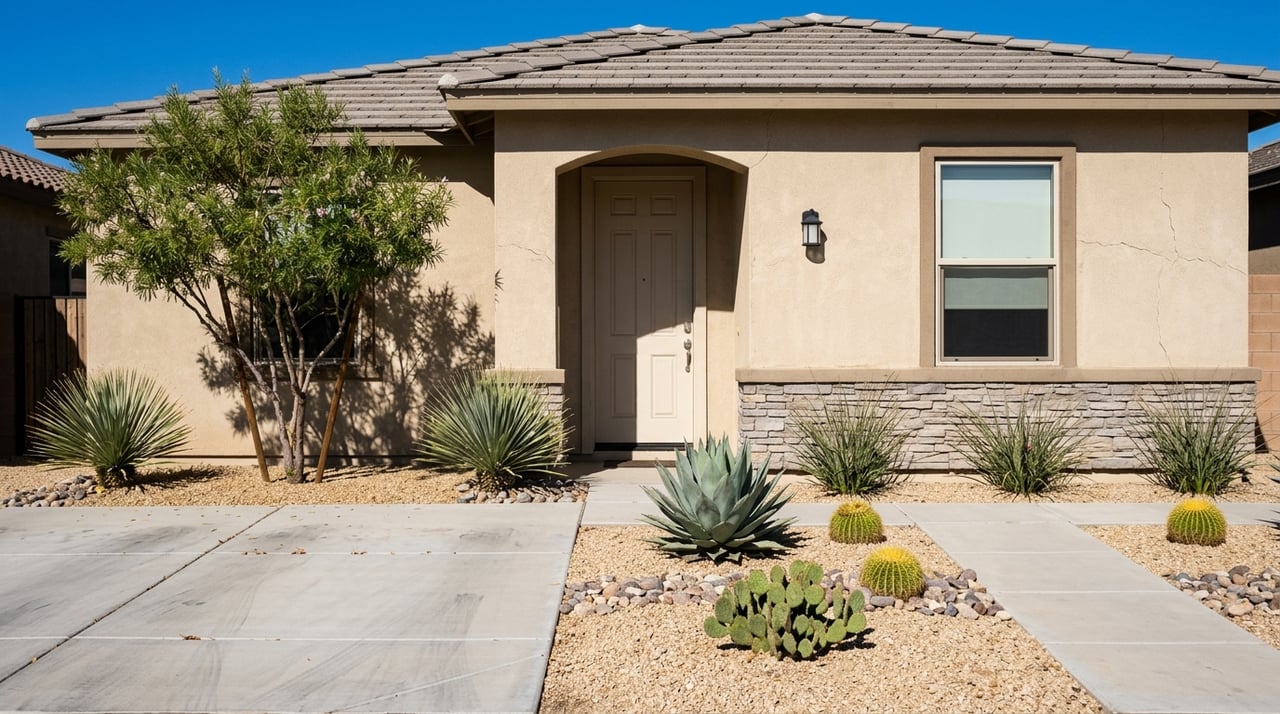
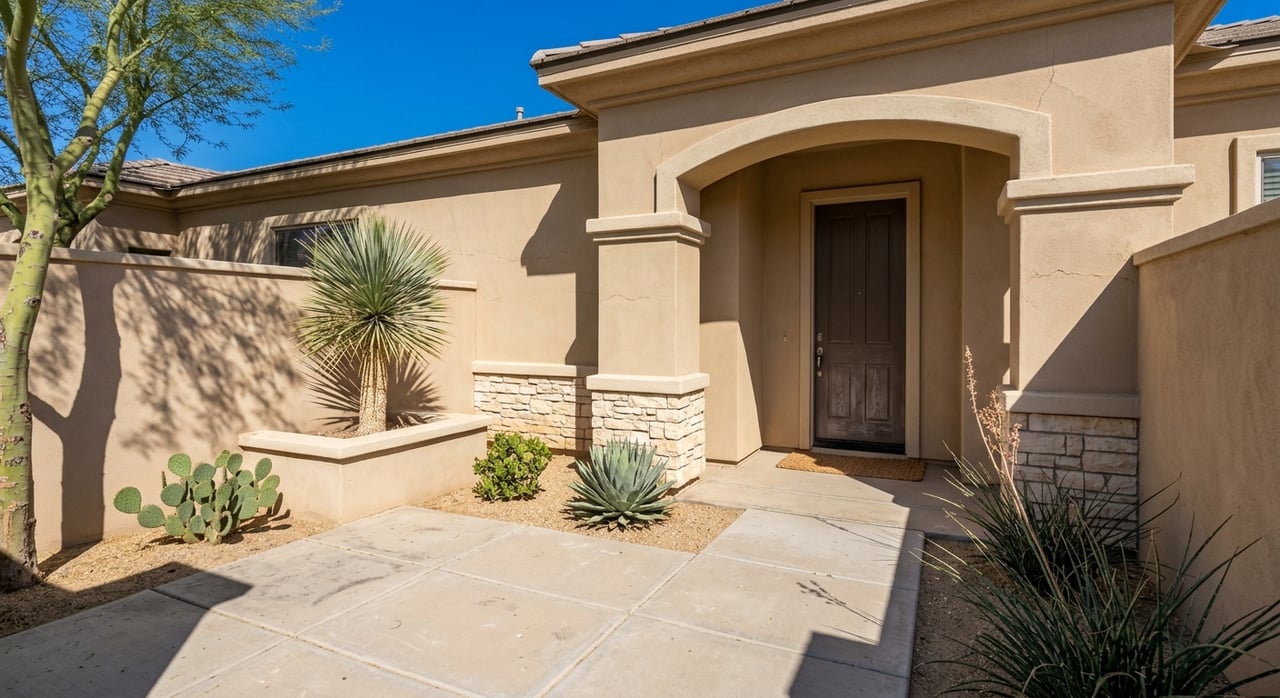
- Low‑maintenance yards with desert‑friendly landscaping and efficient irrigation.
- Covered parking or a garage, plus a practical, move‑in ready interior.
- Reliable systems, like HVAC and water heater service records.
- Proximity to recreation centers and golf, highlighted clearly in your listing.
Prep your home for a faster sale
Well prepared Sun City homes often sell faster and with smoother inspections. Focus on simple, high‑impact updates buyers notice.
High impact, low cost fixes
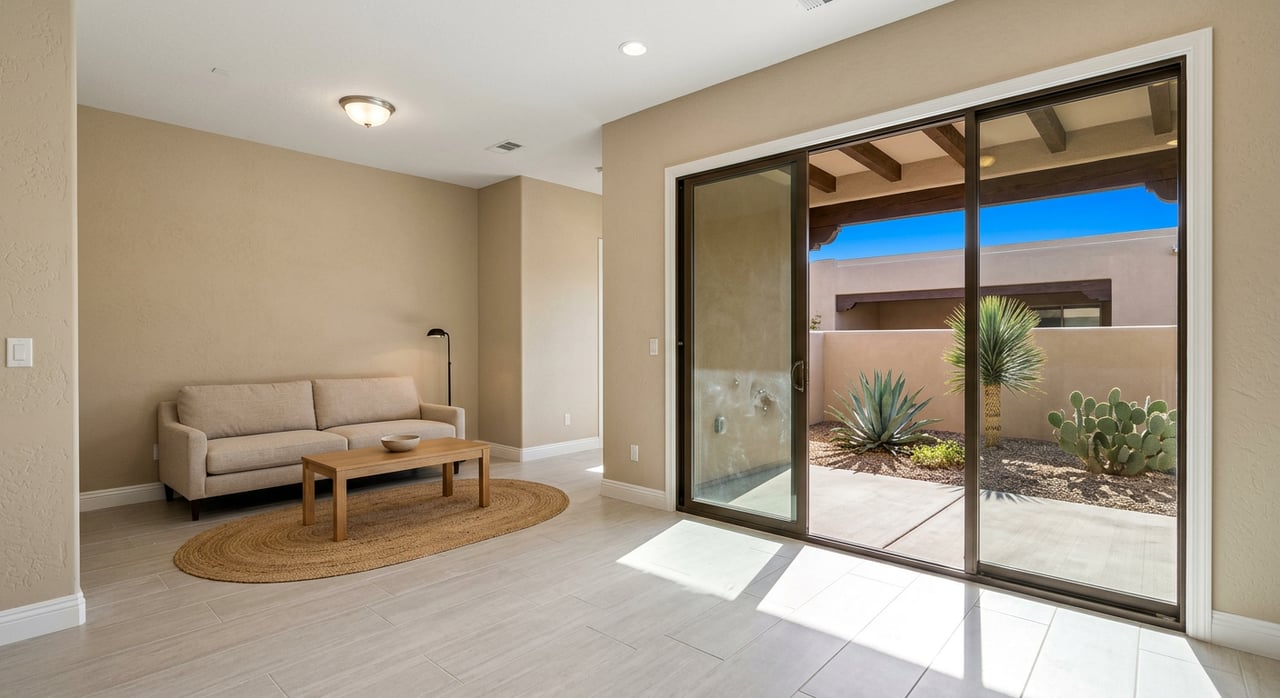
- Fresh, neutral paint and a deep clean throughout the home.
- Declutter to open sightlines, remove heavy collections, and stage key rooms.
- Knock out deferred maintenance, including roof touch‑ups, HVAC service, water heater checks, tile or grout refresh, and pool equipment service if applicable.
- Clean up the yard, convert any thirsty grass to fresh xeriscape, and repair drip irrigation.
Simple accessibility wins
You do not need a full remodel to appeal to the 55+ buyer pool. Add or call out features like good task lighting, lever door handles, a secure handrail, and a zero‑threshold or walk‑in shower if you already have one. The AARP HomeFit Guide offers practical room‑by‑room ideas for safety and ease of use. You can adapt many of them for sellers from the AARP HomeFit Guide.
Smart updates for ROI
If you are deciding where to invest, smaller curb‑appeal projects tend to return more than big kitchen overhauls. National remodeling research shows strong value for garage door and front entry updates, with more modest payback on major interior renovations. Review project recoup trends at Cost vs. Value and tailor choices to your price point and nearby comps.
Timing your sale in Sun City
Spring is a reliable season for sellers, but Sun City often sees a second wave of interest during the winter months when many seasonal buyers are in town. Listing in late fall or early winter can put your home in front of serious, motivated shoppers while competition may be lighter.
Each season has trade‑offs:
- Spring: more buyers and more competing listings, faster pace for move‑in ready homes.
- Winter: seasonal demand from snowbird buyers, often with more cash in the mix.
Ask your agent to align your list date with local rhythms like recreation center calendars and community events that can influence showing traffic.
Coordinate your sale and next purchase
The right move‑plan keeps stress low and protects your finances. Here are the main paths sellers use.
Sell first, then buy
This is the simplest financially. You will close on your sale, know your exact proceeds, and shop with cash in hand or a clear down payment. The trade‑off is arranging temporary housing if it takes time to find the right next home.
Buy first, then sell
If you have cash or short‑term financing, buying first lets you write a cleaner, non‑contingent offer on your next place. Carrying two homes briefly has costs and risks, so make sure the numbers work.
Use a sale contingency
A home sale contingency protects you if your current home does not sell as planned. In competitive settings, sellers may prefer non‑contingent offers. If you need proceeds to buy, your agent can help you weigh this against other options.
Consider a short rent‑back
A rent‑back lets you sell, close, and stay in the home for an agreed period while you complete your move. Many lenders limit rent‑backs to short terms for owner‑occupied loans. Read about common owner‑occupancy limits and rent‑back basics in this overview from JVM Lending. Be sure your agreement includes a clear lease, deposit, insurance terms, and responsibilities.
Quick‑sale or cash options
If speed is your priority, a cash buyer or similar quick‑close option can work. Expect a trade‑off between convenience and net proceeds. Compare multiple offers against your timeline and bottom line before deciding.
A simple timeline
- Weeks 0 to 4: Choose your agent, get a CMA, complete a walk‑through, plan repairs, declutter, and stage.
- Weeks 2 to 8: List the home, market broadly, host showings, and negotiate offers.
- 30 to 45 days after contract: Typical escrow to closing, depending on buyer financing and title.
Plan your proceeds and taxes
Common uses of equity
Downsizers often use proceeds to pay off any existing mortgage, fund the next purchase, build a cash cushion, and handle moving or light renovations. Some set aside funds for retirement planning or long‑term care discussions with advisors.
Understand the capital gains exclusion
If the home is your primary residence and you meet the ownership and use tests, you may be able to exclude up to $250,000 of gain if single or $500,000 if married filing jointly. The details and exceptions are explained in IRS Publication 523. Because every situation is unique, speak with a CPA or tax professional before you allocate your proceeds.
Assessed value vs. sale price
Assessed values appear on your property tax statements and are not the same as market values. For context on how the county calculates values used for taxes, review the Maricopa County Assessor’s report. Your agent’s CMA and recent neighborhood sales will guide pricing.
Using a HELOC or equity for the next purchase
Some sellers tap home equity to fund a down payment before selling, often with a HELOC. This can smooth the move if timing is tight, but you should compare rates, closing costs, and repayment terms. A quick overview of common equity options is available from AmeriSave. Consult your lender to confirm what fits your finances.
Ready mover checklist
Get a neighborhood‑specific CMA for your floor plan and lot.
Schedule a pre‑listing walk‑through to triage repairs: safety items first, then HVAC, roof, water heater, and irrigation.
Declutter and stage the living room, kitchen, and primary bedroom. Add simple accessibility updates using ideas from the AARP HomeFit Guide.
Decide your move strategy: sell first, buy first, use a contingency, or negotiate a short rent‑back. Confirm lender rules if a rent‑back is part of your plan.
Request a detailed net sheet and review potential capital gains considerations using IRS Publication 523. Then confirm next steps with your tax pro.
Market to the 55+ buyer profile by highlighting single‑level living, low‑maintenance landscaping, proximity to recreation centers, and recent service records for major systems.
Keep closing statements and receipts organized for taxes and future planning.
Sun City community rules and age verification
Sun City operates under age‑restricted housing rules that align with federal HOPA. Associations manage advertising and verification, which usually means confirming occupancy requirements during the transaction. If you are unsure about your community’s process, your HOA and listing agent can provide the CC&Rs and any related forms. For background on the law, review HUD’s overview of HOPA.
Selling your Sun City home while you downsize does not have to be complicated. With the right prep, smart timing, and a clear move plan, you can maximize your proceeds and transition smoothly to the next chapter. If you would like a local pricing review, a tailored prep plan, or help coordinating your sale and purchase, connect with Ashton Kaufman to get your free home valuation.
FAQs
When is the best time to sell a Sun City home?
- Spring is traditionally strong, and winter can be a second peak thanks to seasonal buyers; your agent can align timing with local demand and community calendars.
What updates help a 55+ Sun City home sell fastest?
- Focus on fresh paint, decluttering, reliable systems, low‑maintenance landscaping, and simple accessibility features like good lighting and lever handles.
How do rent‑backs work if I need time to move after closing?
- A short rent‑back lets you stay after closing under a lease; many lenders limit the period, so confirm details early and review basics like deposits and insurance in this owner‑occupancy overview.
How do capital gains taxes work when I sell my primary home?
- If you meet the ownership and use tests, you may exclude up to $250,000 in gain if single or $500,000 if married filing jointly; see IRS Publication 523 and consult a tax professional.
Do Sun City home sales require age verification under 55+ rules?
- Yes, the association manages verification to comply with HOPA; your HOA and agent will provide the needed CC&Rs and forms, and you can read HUD’s HOPA guidance for context.
How can I use my equity to buy before I sell in Sun City?
- Many owners use a HELOC or short‑term financing to fund the next purchase, then pay it off with proceeds at closing; compare costs and terms with your lender and consider this equity options overview.