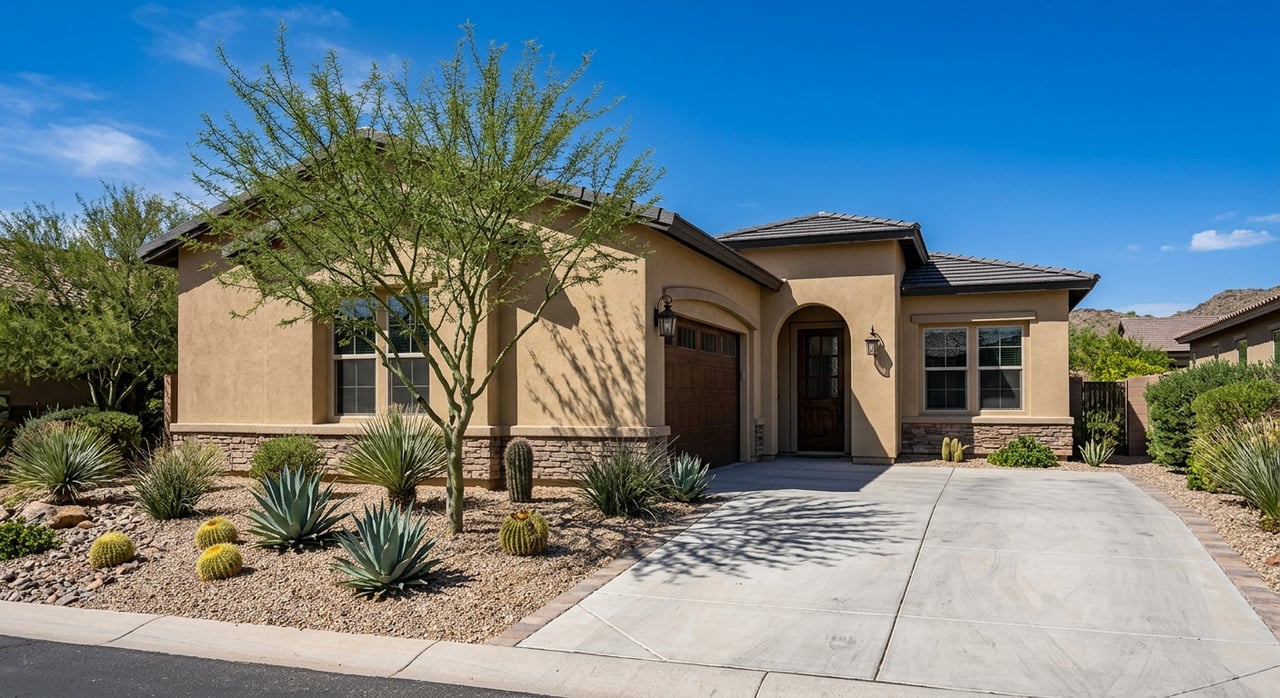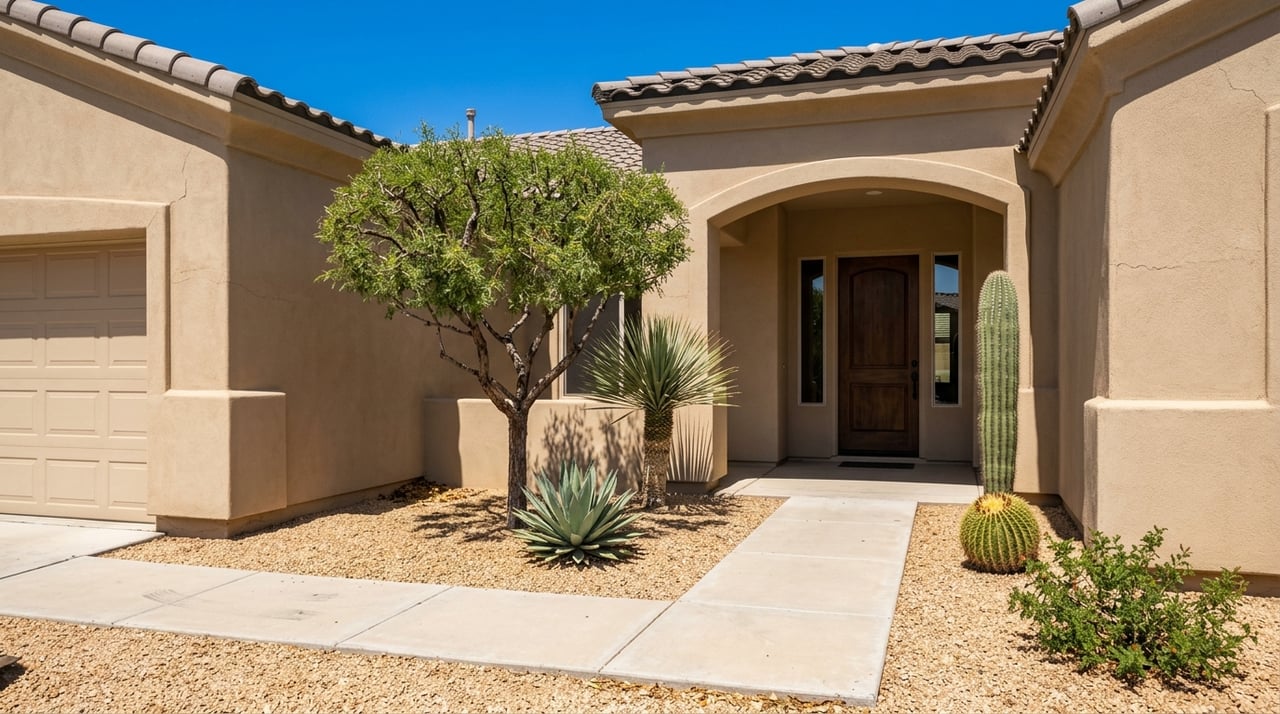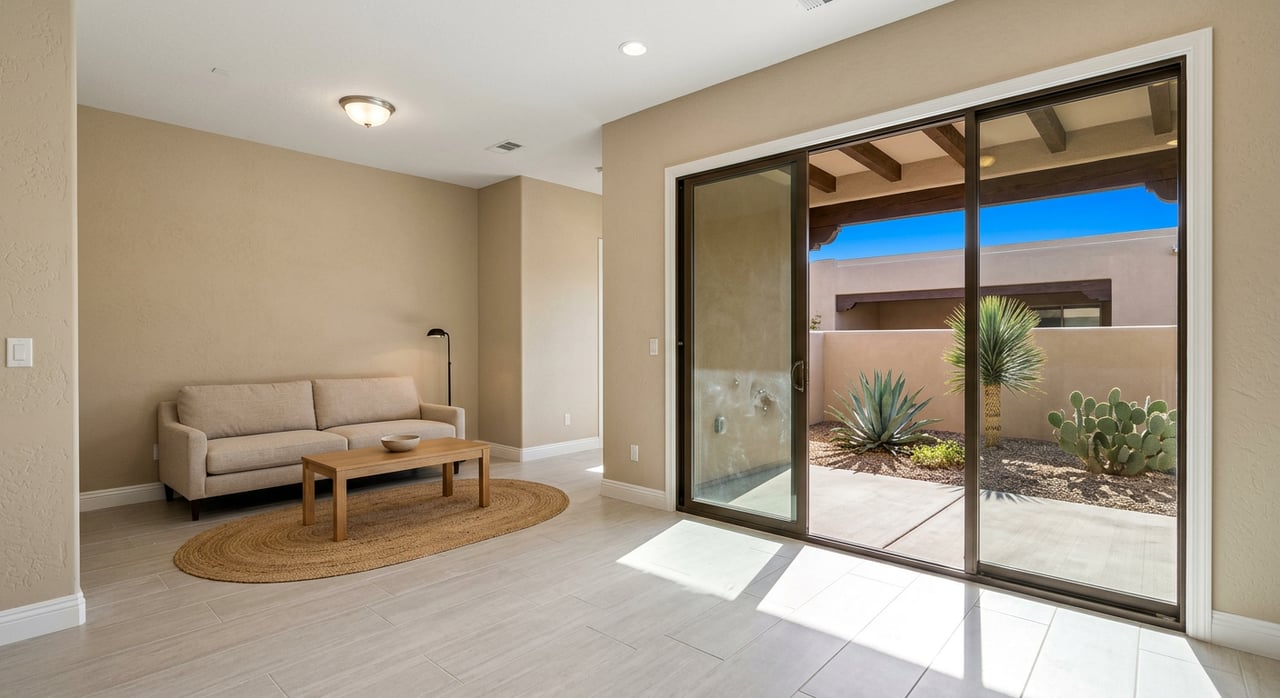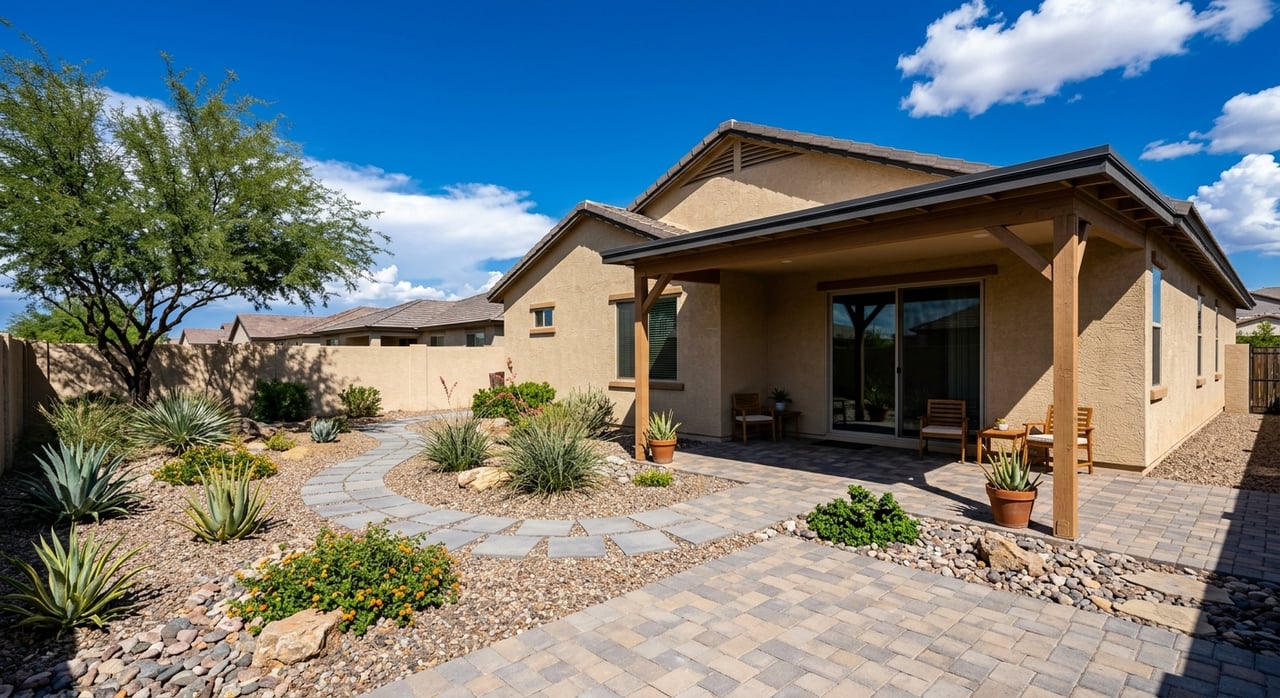
Wondering how to move from your current Peoria home into something larger without getting stuck with two mortgages, two moves, or too many unknowns? You are not alone. For many homeowners, the hardest part of moving up is not choosing the next house. It is lining up equity, financing, timing, and sale proceeds in a way that feels manageable. This roadmap will help you understand the key decisions, the cash planning involved, and how to approach the process with more confidence. Let’s dive in.
Why timing matters in Peoria
Peoria is an ownership-heavy market, with a 76.0% owner-occupied housing rate and a median owner-occupied home value of $463,600, according to the U.S. Census Bureau. That matters for move-up buyers because many buyers are also sellers. Your next purchase is often tied directly to the value and sale timing of your current home.
In the local update current as of April 3, 2026, single-family homes in Peoria had a median sales price of $562,495, spent 68 days on market, and showed 4.0 months of supply. Townhomes and condos were at $285,000 with 6.5 months of supply. That price gap of roughly $277,495 helps explain why moving up is often a financial planning exercise first, and a home search second.
Start with your equity picture
Before you tour larger homes, you need a realistic sense of what your current home can contribute to the next purchase. Fannie Mae’s seller guidance recommends estimating your equity by subtracting your mortgage balance from your current market value.
That number is important because it can shape your down payment, your cash reserves, and whether you can buy before you sell. It also helps you think clearly about net proceeds instead of just sale price. If you are moving up in Peoria’s single-family market, that distinction matters.
You will also want to budget for more than the down payment. CFPB guidance for homebuyers says to account for principal and interest, mortgage insurance if applicable, property taxes, insurance, HOA fees, maintenance, utilities, closing costs, moving expenses, repairs, and new purchases for the home.
Know your likely cash needs
A move-up purchase usually requires more cash up front than many homeowners expect. CFPB says typical closing costs often range from 2% to 5% of the purchase price. On Peoria’s current single-family median price of $562,495, that works out to about $11,250 to $28,125 before your down payment.
You may also need earnest money when you make an offer. Fannie Mae notes that earnest money is typically 1% to 3% of the offer price. On that same Peoria median, that is about $5,625 to $16,875.
When you layer in moving costs, possible repairs on your current home, and any updates needed before listing, your total cash plan can get bigger quickly. That is why many move-up buyers benefit from mapping out the full transaction before they start shopping seriously.
Sell first or buy first?
For most homeowners, selling first is the more conservative path. CFPB says homeowners normally try to sell their current home before buying another one. This can reduce the risk of overlapping mortgage payments and make your budget easier to manage.
Selling first can also give you a clearer number for your available proceeds. Instead of estimating what your home might sell for, you are working with real numbers, real dates, and fewer moving parts.
Buying first may still be possible, but it usually depends on your equity, debt-to-income ratio, cash reserves, and financing options. If you want that flexibility, the lender conversation needs to happen early.
When selling first makes sense
Selling first may be a better fit if you:
- Need proceeds from your current home for the next down payment
- Want to avoid carrying two housing payments
- Prefer more certainty around your budget
- Want to reduce financing risk before making offers
When buying first may be possible
Buying first may be more realistic if you:
- Have significant equity
- Have enough cash reserves to handle overlap
- Qualify for temporary financing options
- Need more control over your move timing
Understand your financing options
Your financing structure can shape the entire roadmap. Fannie Mae recommends meeting with a few lenders as early as possible to compare rates, fees, and loan terms. CFPB also notes that lenders look at your income, assets, employment status, savings, monthly debt payments, and credit history when evaluating your application.
For move-up buyers, three common tools come up often: contingent offers, HELOCs, and bridge loans. Each serves a different purpose.
What is a contingent offer?
A contingent offer means your purchase depends on the sale of your current home. According to CFPB, this can reduce risk for you if you need your sale to happen first.
The tradeoff is competitiveness. Research in your source material notes that home sale contingencies are often less appealing to sellers in competitive situations. That makes this a useful backup strategy, but not always the strongest first option.
What is a HELOC?
CFPB explains that a HELOC, or home equity line of credit, is an open-end line of credit that lets you borrow repeatedly against your home equity. Some homeowners use this to access cash for a down payment, repairs, or short-term flexibility while transitioning to the next home.
A HELOC is not automatically the right answer for every move-up buyer. It depends on your available equity, your repayment plan, and how the added debt fits into your broader finances.
What is a bridge loan?
CFPB describes a bridge loan as temporary financing for a new dwelling when you plan to sell your current dwelling within 12 months. In practice, that can help cover the gap between buying the next home and closing on the sale of your current one.
This option can be helpful if timing is tight, but it still needs careful review. Costs, qualification standards, and risk tolerance all matter, which is why it is best discussed with a lender before you start making offers.
Prep your current home before you shop hard
One of the easiest ways to lose momentum is to fall in love with a new house before your current home is truly ready for market. Fannie Mae’s selling guidance recommends factoring in home-improvement costs, inspecting and repairing the home, and keeping the presentation neutral, simple, and free of clutter.
That prep work does two things. First, it helps you present your home in a way that supports a smoother sale. Second, it gives you a more realistic timeline for when you can list and when proceeds might be available.
If your goal is to avoid a double move, early prep is especially important. The better your current home is positioned before you make the next move, the easier it is to coordinate dates.
Where larger or newer homes may be found
If you are looking for newer construction, larger lots, or homes within master-planned growth areas, city planning documents point to north and north-central Peoria as key areas to watch. The Lake Pleasant Heights Specific Area Plan covers about 3,268 acres in north-central Peoria and proposes a mix of residential land uses within a master-planned community framework.
The same planning materials note that Lake Pleasant Parkway serves as a main north-south connection between Peoria’s main business and commercial district and Lake Pleasant. For buyers, that helps explain why north and northwest Peoria often come up in conversations about newer housing stock and expanding residential areas.
It is important to remember that planning documents reflect intended land use, not active inventory. Still, they offer a useful framework if your move-up goals include newer homes, more space, or access to developing residential areas.
A simple move-up roadmap
If you want a practical path forward, this sequence can help:
- Estimate your equity by comparing your mortgage balance to your current market value.
- Talk to a few lenders early to compare loan options, rates, fees, and timing strategies.
- Build your cash plan for closing costs, earnest money, moving, repairs, and reserves.
- Prep your current home with repairs, decluttering, and a listing-ready presentation.
- Choose your strategy: sell first, buy first, contingent offer, HELOC, or bridge loan.
- Coordinate closing dates to reduce the odds of temporary housing or overlapping payments.
This kind of planning can save you stress, protect your budget, and help you act more decisively when the right home appears.
How to avoid moving twice
Most homeowners want to skip the hassle of temporary housing, storage, and two full moves. While there is no perfect one-size-fits-all formula, the best way to reduce that risk is to align financing, listing prep, and purchase timing early.
That often means getting your current home market-ready before your search becomes too active. It also means understanding what your lender will allow, what cash you need available, and how much overlap your budget can comfortably absorb.
A move-up purchase is a major step, but it does not have to feel chaotic. With a clear plan, you can move from your current home to the next one with fewer surprises and better decision-making at each stage.
If you are planning your next move in Peoria, working with an advisor who understands both the marketing side of your sale and the financing side of your purchase can make the process much clearer. If you want help mapping out timing, equity, and next steps, connect with Ashton Kaufman.
FAQs
Should I sell my current Peoria home before buying another one?
- For many homeowners, yes. CFPB guidance says owners normally try to sell first, which can reduce the risk of carrying two housing payments and give you more certainty about your budget.
What is the difference between a contingent offer, a HELOC, and a bridge loan for move-up buyers?
- A contingent offer depends on selling your current home first, a HELOC lets you borrow against home equity, and a bridge loan is temporary financing for a new home when you plan to sell your current one within 12 months.
How much cash should I expect to need to buy a move-up home in Peoria?
- Based on CFPB closing-cost guidance, closing costs often range from 2% to 5% of the purchase price. On Peoria’s current single-family median of $562,495, that is about $11,250 to $28,125, plus down payment, earnest money, moving costs, and any repairs.
Where in Peoria are newer or larger homes more likely to be found?
- City planning documents suggest north and north-central Peoria are key growth areas for newer and master-planned residential development, including the Lake Pleasant Heights planning area.
How can I reduce the chances of moving twice during a Peoria move-up purchase?
- Start by preparing your current home early, speaking with lenders before you shop seriously, and choosing a timing strategy that fits your equity, reserves, and closing dates. That planning can help reduce the need for temporary housing or overlapping payments.