Looking for a home that gives you more free time and fewer weekend chores? In Litchfield Park, low-maintenance living can mean a lot more than a smaller yard. It can also mean easier exterior upkeep, walkable surroundings, and a lifestyle that lets you spend more time enjoying the area instead of managing your property. If you are exploring simpler homeownership in the West Valley, this guide will help you understand your options and what to watch for. Let’s dive in.
Why Litchfield Park Works Well
Litchfield Park is a planned residential community about 16 miles west of downtown Phoenix. The city describes itself as small-town, casual, and pedestrian-friendly, and the U.S. Census Bureau estimated its population at 6,863 in July 2024. That smaller scale is part of the appeal if you want a home base that feels manageable day to day.
The city also centers much of its quality of life around parks, a recreation center pool, and community events. For you, that can make low-maintenance living feel more worthwhile. When you spend less time on yard work and exterior tasks, you may have more time to enjoy the amenities and routines that draw people to Litchfield Park in the first place.
Litchfield Park’s long-range planning also supports this lifestyle. The city’s general plan includes townhouses, patio homes, garden apartments, and condominiums alongside detached homes. It also notes that areas like the Village at Litchfield Park include parks and paths with access to the recreation center through the pathway network.
Another local factor is Litchfield Square, a 26-acre mixed-use area the city intends to serve as a new downtown. The vision emphasizes a walkable, community-oriented layout. That matters because low-maintenance living is not just about reducing chores. It is also about creating a more convenient daily routine.
Low-Maintenance Home Types
Townhomes and Condos
Townhomes and condos are some of the clearest low-maintenance options in Litchfield Park. The city’s zoning code recognizes both housing types as part of the local housing mix, and townhouse dwelling units require a minimum two-car garage. That detail reflects a suburban setup that still aims to keep ownership practical and functional.
For many buyers, these homes offer a good middle ground. You may get less exterior upkeep than a larger detached home while still having features that feel familiar, like attached garage space and room for everyday living. That can be especially appealing if you want easier ownership without giving up too much space.
A current example is Cachet at the Wigwam. The builder describes it as a 28-acre community with 167 single-family homes, townhouses, and condos next to the Wigwam Resort golf club. Community amenities include a heated pool and spa, fitness center, outdoor kitchen, ramada, and gathering spaces.
That kind of setup shows why townhome and condo living often appeals to both year-round and seasonal residents. Instead of maintaining a larger lot, you may be able to focus more on travel, work, recreation, or simply enjoying a lock-and-leave routine.
Patio Homes
Patio homes are another strong option if you want a detached-home feel with a smaller footprint. Litchfield Park has a specific Patio Home Residential district in its zoning code. The code defines a patio home as a single-family dwelling on a subdivision lot of 4,000 square feet, with at least 1,000 square feet of livable floor area.
The zoning also allows for compact setbacks and generally limits height to one story unless a development plan allows more. In practical terms, that often creates homes that feel easier to maintain than a larger suburban house. You may still enjoy privacy, outdoor space, and a single-family layout, but with less land to manage.
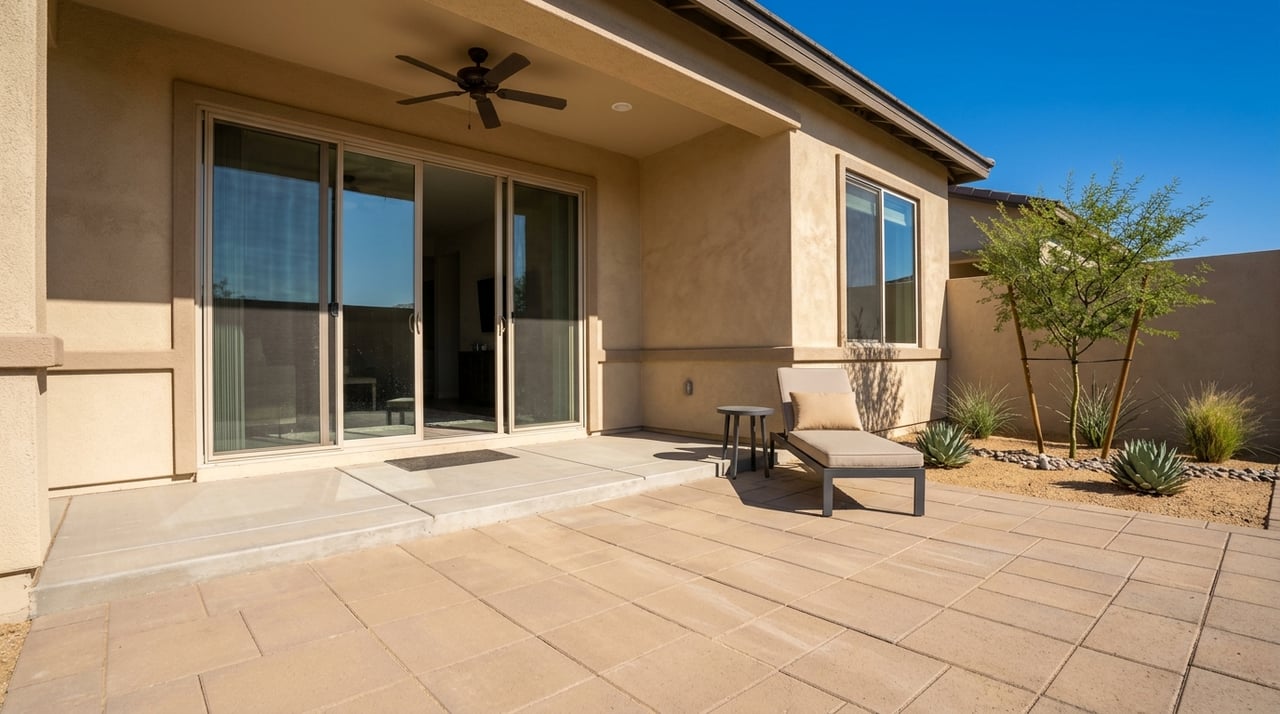
Locally, patio homes are often marketed as convenient lock-and-leave properties. In Old Litchfield Park, current listings show features like courtyards, artificial turf, covered patios, and single-story layouts near the Wigwam, the recreation center, and downtown areas. Those features can make a real difference if you want outdoor living without the demands of a full-size yard.
HOA-Managed Communities
Some buyers want low maintenance, but not necessarily attached living. In that case, an HOA-managed community may offer the right balance. These neighborhoods can include detached homes where common areas, shared landscaping, or some exterior standards are managed at the community level.
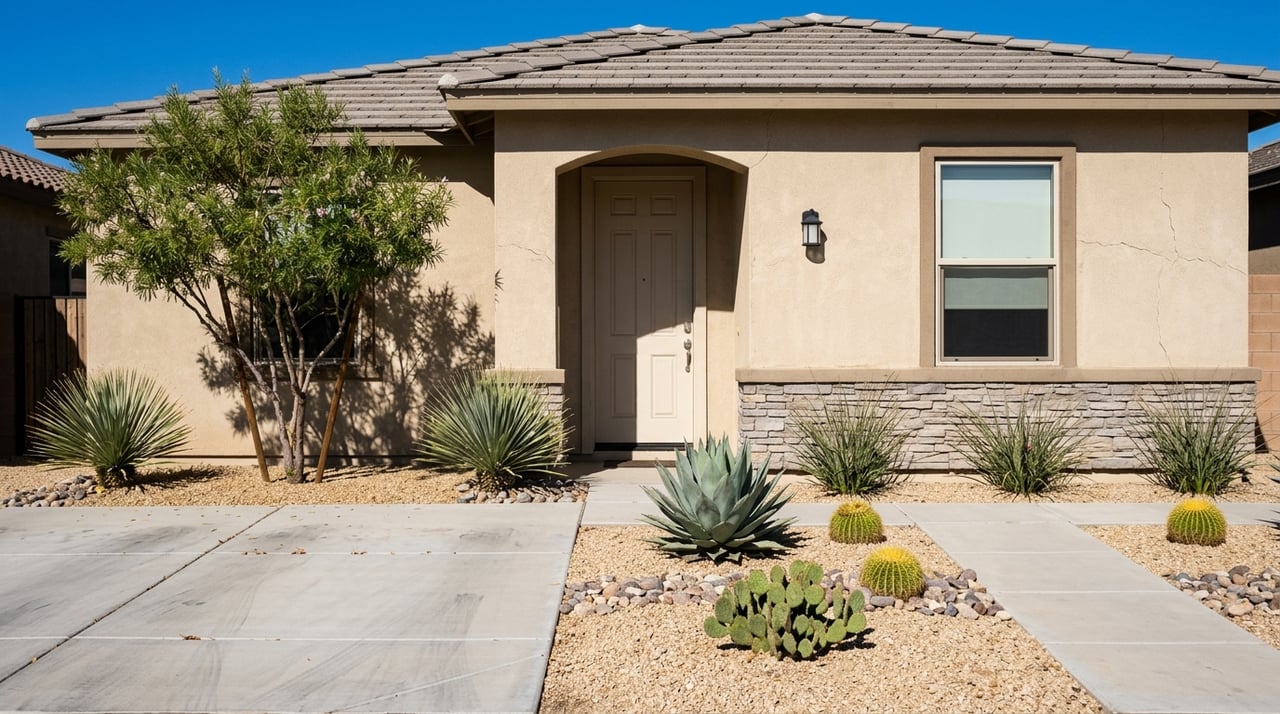
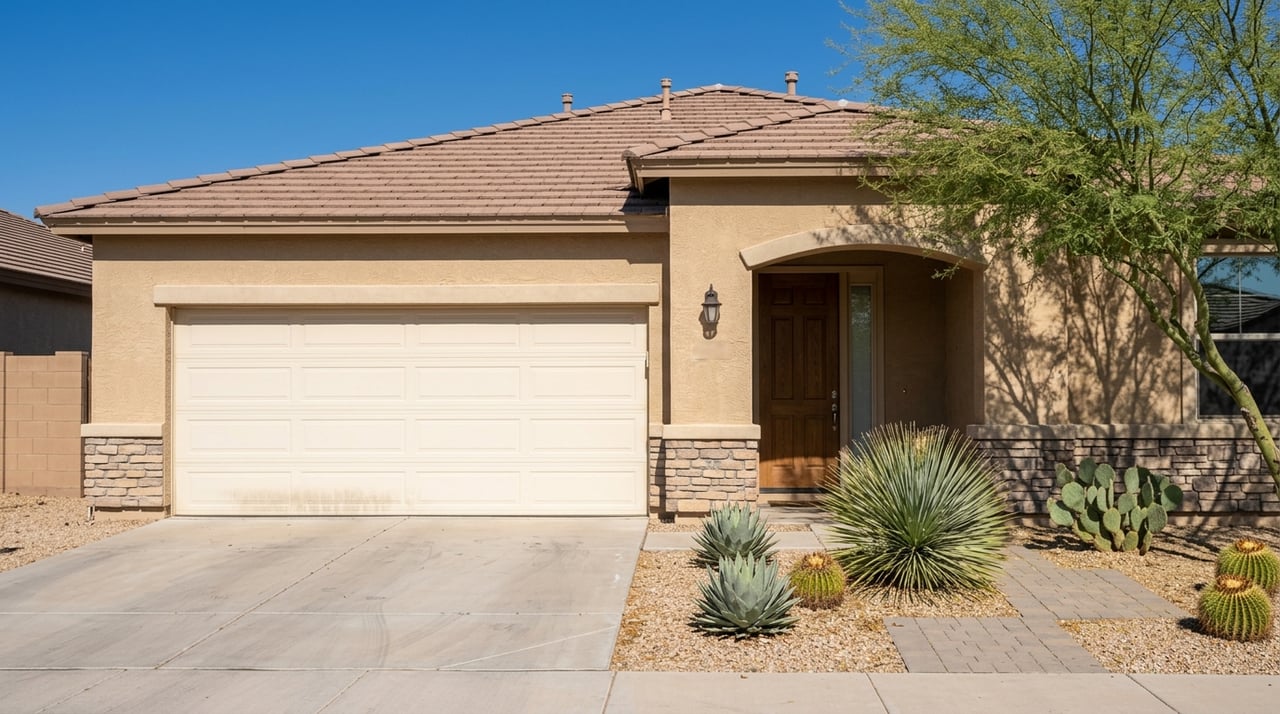
This type of setup fits well with local landscaping practices. Litchfield Park’s code defines drought-tolerant, low-water-use landscaping as a method that maximizes water conservation, and it encourages drip, emitter, and other water-conservation irrigation methods. For you, that can support a cleaner, simpler exterior care routine that aligns with the desert environment.
Windrose at Zanjero Trails is one example of the master-planned side of the market. The community says it spans 640 acres, is planned for more than 1,900 homes, and includes community parks, walking trails, and landscaping. Its posted 2026 assessments are $252 per quarter.
Another example that clearly shows the maintenance trade-off is La Casa Linda. According to the HOA, the association handles the building exterior, landscaping, parking areas, common areas, restricted common areas, and the exterior of buildings. Owners are responsible for interior repairs from the point utilities enter the unit.
What Low-Maintenance Really Means
Low-maintenance does not mean no responsibility. In most cases, it means you are shifting some of the work from your personal to-do list to a shared system, often through an HOA. That can be a major plus, but it is important to understand exactly what is and is not included.
In one community, low-maintenance may mean the HOA handles exterior building care and landscaping. In another, it may only mean common-area upkeep while you still manage your own lot. That is why this category is better viewed as a spectrum than a single property type.
Here is a simple way to think about it:
- Condos often provide the most outsourced exterior upkeep
- Townhomes may blend shared maintenance with more private living space
- Patio homes often reduce yard work while keeping a detached-home layout
- Master-planned HOA communities may simplify common-area maintenance but still leave you with some home and yard responsibilities
The best fit depends on how much independence you want and how much upkeep you want to outsource.
Lifestyle Benefits in Litchfield Park
For many buyers, the biggest benefit is time. If the community or HOA handles front-yard landscaping, common areas, or exterior tasks, you may spend less time mowing, trimming, or coordinating vendors. That can make ownership feel easier and more predictable.
In Litchfield Park, that extra time connects directly to lifestyle. The city highlights recreation programming, a public pool, and a calendar of free events and festivals. If your goal is to spend more time enjoying where you live, a low-maintenance home can support that.
The city also emphasizes a neighborhood-centered, pedestrian-friendly environment. That makes these housing options especially appealing if you want suburban privacy without taking on the upkeep that often comes with a larger lot. In the right location, you may be able to enjoy a more walkable pattern for everyday life.
The resort context also adds to the appeal. With communities near the Wigwam area and the city’s planned expansion of walkable commercial space at Litchfield Square, some low-maintenance options offer more than convenience at home. They may also support a more connected and flexible routine outside your front door.
Trade-Offs to Review Carefully
Every low-maintenance option comes with trade-offs. Usually, the biggest one is cost. Instead of spending as much time on exterior upkeep yourself, you may pay HOA dues and other association-related fees.
Arizona law also adds a practical step during resale transactions in planned communities. After notice of a pending sale, the association must provide documents such as the bylaws, declaration, and a dated assessment statement. The law also allows the association to charge up to $400 for certain disclosure-related documents and services.
Rules are another important factor. In La Casa Linda, for example, the HOA limits rentals to 30-day minimums and allows only two cats or dogs per unit. Community rules can affect your plans, so it is smart to review them early if you care about pets, rentals, parking, exterior changes, or similar lifestyle details.
The Arizona Department of Real Estate advises buyers to review the public report, HOA disclosures, CC&Rs, title report, and inspection report. Its buyer checklist also notes that CC&Rs may restrict things like landscaping, RV parking, play equipment, and satellite antennas. If you want simplicity, reviewing those items up front can help you avoid surprises later.
You should also remember that HOA living is not fully hands-off. Arizona law requires advance notice and agendas for condominium and planned-community board meetings, along with open meetings. If you care about reserve spending, maintenance priorities, or future rule changes, staying informed matters.
How to Choose the Right Fit
If you are trying to narrow your options, start with your daily routine. Think about how much exterior work you truly want to handle, how often you travel, and whether you prefer detached or attached living. Those answers can quickly point you toward the right category.
Next, review the financial side with care. Monthly or quarterly dues may be worth it if they remove work and add useful amenities, but you will want to compare those costs against what you would otherwise spend on landscaping, exterior care, or time. This is where clear, local guidance can help you make a more confident decision.
Finally, look beyond the home itself. In Litchfield Park, pathways, parks, recreation access, and future walkable areas like Litchfield Square all shape the value of low-maintenance living. The right home is not just easier to care for. It should also make your day-to-day life easier to enjoy.
If you are weighing patio homes, condos, townhomes, or HOA-managed neighborhoods in Litchfield Park, working with a local agent who understands both the numbers and the neighborhood details can save you time. For tailored guidance on homes that match your lifestyle and upkeep goals, connect with Ashton Kaufman.
FAQs
What does low-maintenance living mean in Litchfield Park?
- It usually means less yard work and fewer exterior chores, often through a condo, townhome, patio home, or HOA-managed community.
What types of low-maintenance homes are common in Litchfield Park?
- Common options include condos, townhomes, patio homes, and homes in HOA-managed master-planned communities.
Are patio homes in Litchfield Park detached homes?
- Yes, patio homes are defined in the city’s zoning code as single-family dwellings on smaller subdivision lots.
Do Litchfield Park townhomes usually have garages?
- The city’s zoning code requires a minimum two-car garage for townhouse dwelling units.
Do HOA fees in Litchfield Park cover all maintenance?
- Not always. Coverage varies by community, so you should review what the HOA handles and what remains your responsibility.
What HOA documents should buyers review in Arizona communities?
- Buyers should review items such as the public report, HOA disclosures, CC&Rs, title report, and inspection report.
Can HOA rules affect rentals, pets, or exterior changes in Litchfield Park communities?
- Yes, community rules can limit things like rental terms, pet allowances, landscaping choices, parking, and some exterior features.