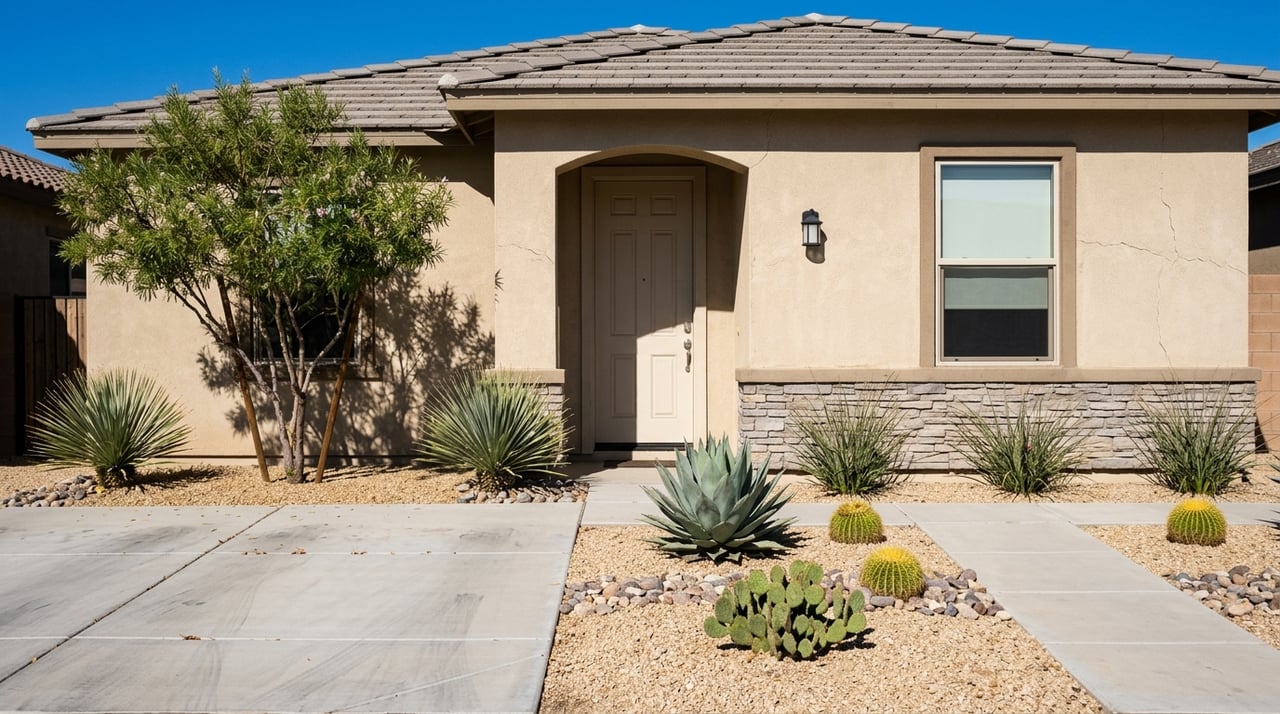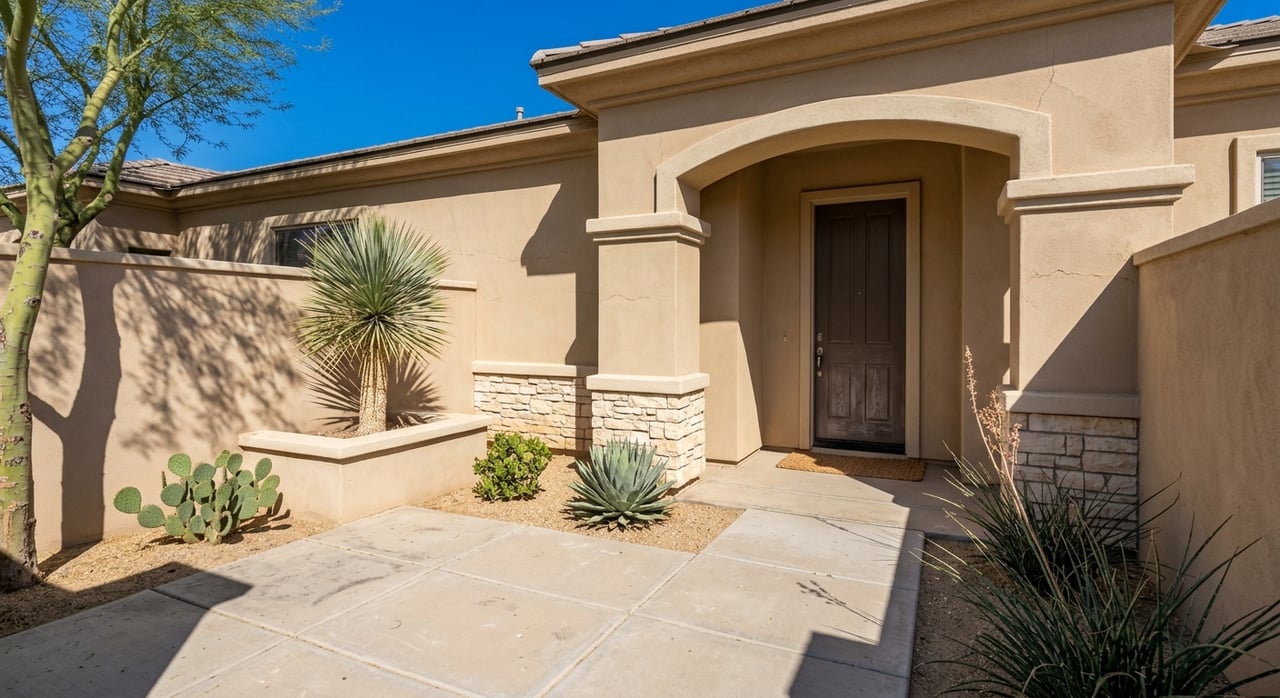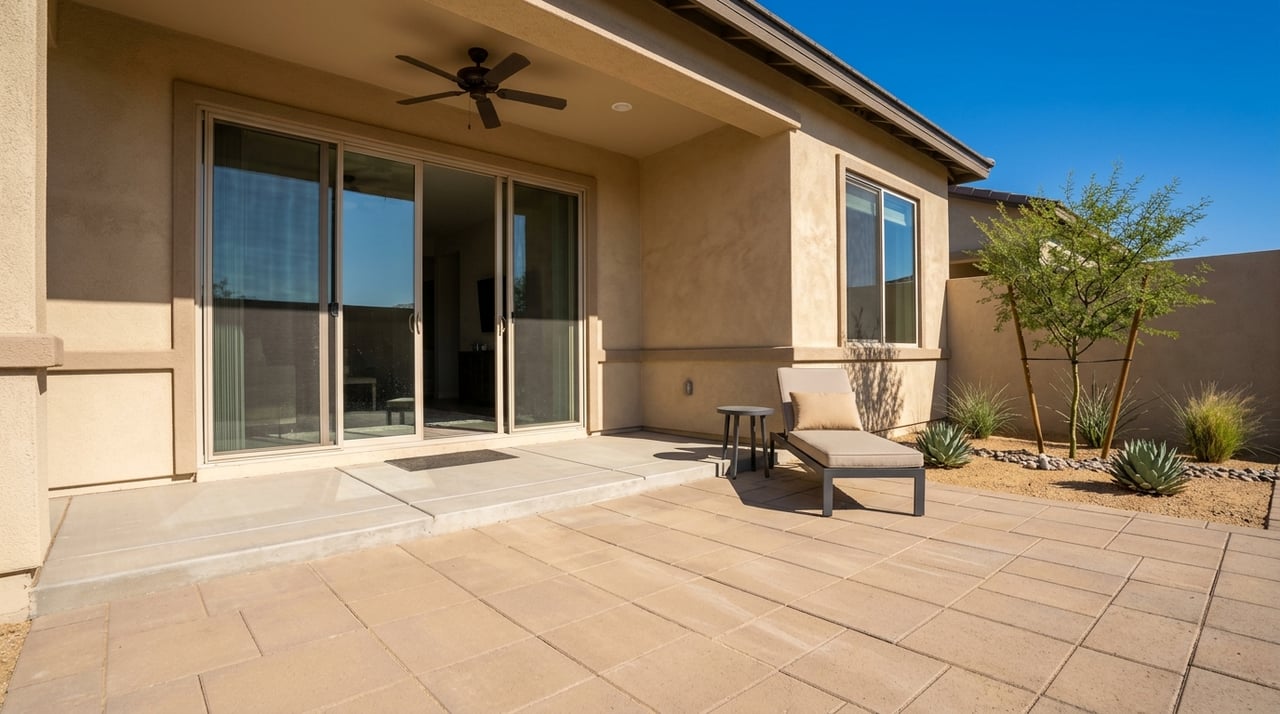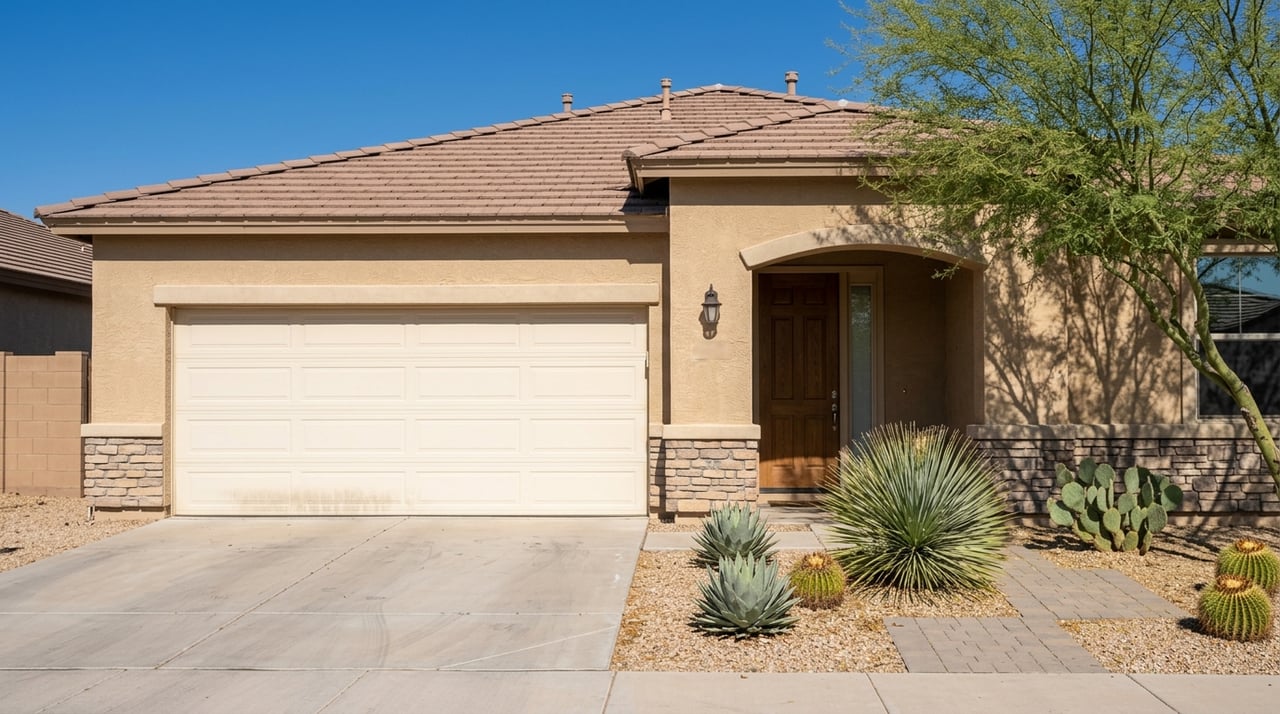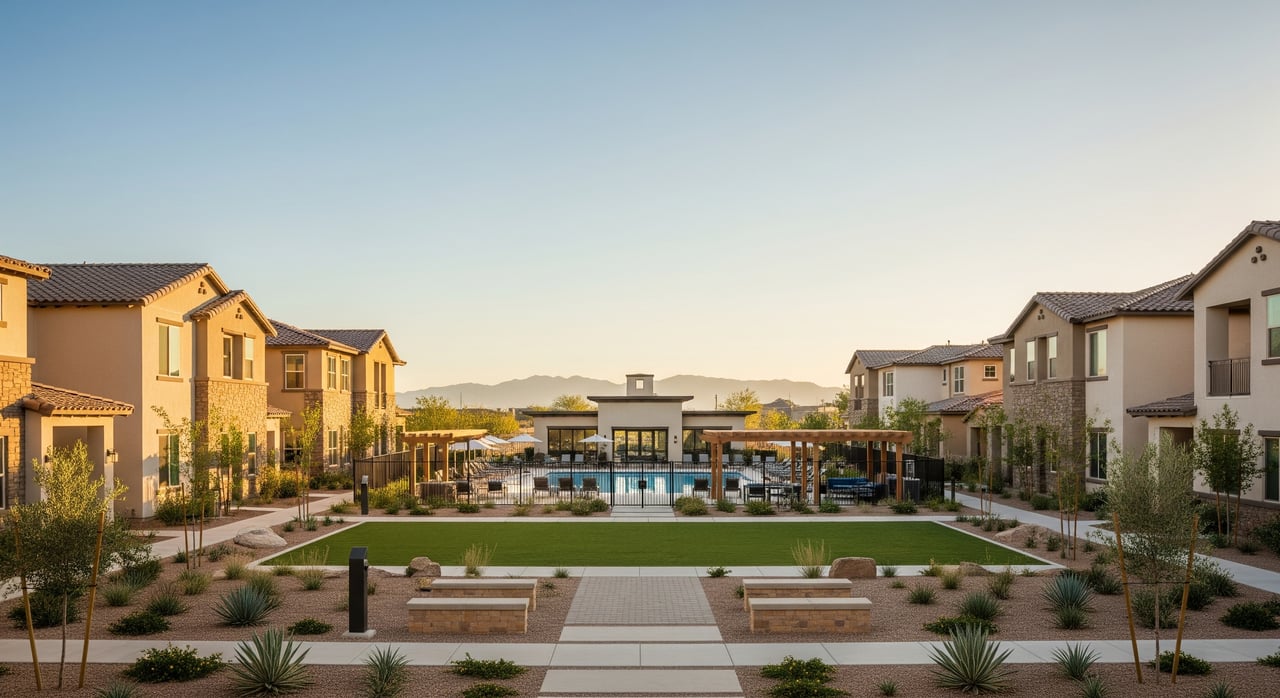
Trying to make sense of Verrado’s HOA and community fees? You are not alone. With a layered community structure and different amenities across villages, it can be hard to know what you will pay and what you actually get for it. In this guide, you will learn how Verrado’s associations are set up, which fees to expect, how to verify the exact costs for a specific home, and how to compare total cost of ownership across Buckeye neighborhoods. Let’s dive in.
How Verrado HOAs are structured
Verrado is a master-planned community with multiple layers of associations. Most homes fall under a master association that maintains community-wide assets like major parks, trails, and prominent landscaping. Many properties also sit inside a village or sub-association that manages neighborhood-level amenities and rules. Some townhomes or condos add a third layer that covers building maintenance.
Private clubs, such as golf or fitness clubs, often operate separately. These memberships are optional and are not part of HOA dues. Newly built areas may be under developer control before transitioning to homeowner-elected boards. That timing can affect budgets and assessments, so it is smart to understand where a village is in its lifecycle.
What each fee covers
Master association dues
These recurring dues fund large-scale assets and services used by the wider community. That typically includes major parks and plazas, multi-use trails, marquee landscaping, management and insurance, and community events. Some housing types may include front-yard landscape or irrigation, so verify the specifics for your property.
Sub-association or village dues
Village-level dues cover neighborhood landscaping and irrigation, pocket parks, private sidewalks and lighting, and any village pool or small amenity. If a neighborhood has a gate or private streets, operations and maintenance can be funded here. Rules enforcement and architectural review often happen at this level too.
Condo or townhome dues
Condominium and townhome associations usually include building insurance and exterior upkeep. That can cover roofs, painting, shared walls, and sometimes trash or on-site amenities. Because of the building obligations, these dues are often higher on a per-unit basis than single-family village dues.
Special assessments
A special assessment is a one-time or periodic charge for major repairs or budget shortfalls. They can fund big projects like pool resurfacing, landscape overhauls, or unexpected infrastructure work. Review assessment history and reserve balances to gauge risk before you buy.
Reserve fund contributions
Part of your recurring dues should go into a reserve fund. Reserves help replace major assets over time, such as roofs, playgrounds, or irrigation systems. Ask for the most recent reserve study and the percent of the budget allocated to reserves to see if funding is adequate.
Special tax districts (CFD)
Some Buckeye neighborhoods use Community Facilities District financing to build infrastructure. This appears as a special line on your property tax bill and can last for many years. Not every Verrado parcel has the same status, so check the exact property’s tax records and disclosures.
Transfer, capital contribution, and enrollment fees
When a home sells, associations may charge administrative transfer fees or a one-time capital contribution. The resale disclosure package should show the amounts and who pays them. Clarify these early so they do not surprise you at closing.
Private club memberships
Golf, country club, fitness, or social clubs in or near Verrado are usually separate from HOA structures. Memberships are optional unless stated otherwise. If you plan to join, add those dues to your total monthly housing cost.
Utility pass-throughs or community services
Some associations coordinate bulk services like trash, irrigation, or reclaimed water for common areas. Others leave those utilities to each homeowner. Confirm which services are included and which you will pay separately.
Amenities and who pays in Verrado
Verrado features parks, playgrounds, trails, and community gathering spaces. Larger parks and trails are usually maintained by the master association, while neighborhood pocket parks can fall to a village HOA. Some communities include shared pools at the village level, while others make pools available community-wide or through private clubs.
Community centers or clubhouses may be owned by the association or by a separate private operator. Fitness rooms, courts, and dog parks vary by village and ownership. Gated entries and private security, if present, are typically village-level expenses.
How to confirm what yours includes
- Read the association’s current budget to see line items and coverage.
- Review the CC&Rs and the Rules and Regulations for maintenance responsibility.
- Ask for the latest reserve study to understand long-term replacement plans.
- Verify whether front-yard landscaping or irrigation is included for your home type.
How to verify your exact fees
Start with the MLS listing’s HOA fields for a quick snapshot. Then request the resale disclosure package early, which usually includes the CC&Rs, current budget, meeting minutes, insurance summary, and any pending assessment notices. Confirm whether dues are billed monthly, quarterly, or annually so you do not underestimate the cost.
Check HOA meeting minutes from the last 12 to 24 months for approved increases, big projects, or reserve concerns. Review the Maricopa County Assessor and Treasurer statements for property taxes and any special district charges. If you are buying new construction or a home in a newer village, ask about the developer control timeline and transition plan.
Red flags to watch
- Very low dues with thin reserves or no recent reserve study.
- Repeated special assessments in recent years.
- Large special tax district obligations that extend for many years.
- Developer control with unclear transition timing and budget impacts.
- Unusual insurance deductibles or gaps that could shift risk to owners.
Compare total cost in Buckeye
A smart comparison goes beyond HOA dues. Add up all recurring and likely nonrecurring costs to get a true monthly number. Then weigh that cost against the amenities and lifestyle benefits that matter most to you.
Core line items to budget
- Mortgage principal and interest
- Property taxes, including any CFD or special district
- Homeowner’s insurance
- Master HOA dues
- Village or sub-association dues
- Condo or townhome dues if applicable
- Optional private club memberships
- Utilities such as water, sewer, trash, electricity, gas, and internet
- Routine home maintenance and landscaping
- Reserve contributions or an allowance for potential assessments
- Capital replacement savings for big-ticket items
A simple calculation process
- List each recurring expense on a monthly basis. Convert annual items like taxes and insurance to a monthly equivalent.
- Add an estimated monthly allowance for maintenance and reserves based on the home type and age.
- Sum the total for each property you are considering, then compare against the amenity mix and convenience you value.
Verrado vs nearby options
In the West Valley, different communities use different fee structures and amenity models. Estrella Mountain Ranch, for example, has village variations and private amenities that can change the fee picture. Sundance, Palm Valley, Tartesso, and other newer subdivisions may have different special tax profiles or reserve needs.
Rather than relying on published averages, compare exact inclusions for each property. Look at reserve funding, assessment history, what services are covered, and whether front-yard maintenance is included. That level of detail will give you a much clearer picture of the real cost of ownership.
Buyer and investor tips
If you plan to hold the home as a rental, review rental restrictions and minimum lease terms before you write an offer. Understand insurance responsibilities in condo or townhome buildings, since the master policy affects your personal coverage. If a village covers front-yard landscaping, that could lower your monthly maintenance and improve curb appeal consistency.
When you tour, note which amenities you will actually use. Pools, parks, and trails that you visit weekly are worth more to your lifestyle than amenities you rarely use. Budget for the amenities you value, and do not forget to account for optional club dues if you plan to join.
The bottom line
Verrado’s layered associations can be a benefit when you understand what each layer covers. The master association maintains the larger community experience, while villages tailor neighborhood-level amenities. Your goal is to verify the exact fee stack for the address you love and to compare the total monthly picture across homes and nearby neighborhoods.
If you want help breaking down the numbers for a specific property, reach out. With a finance-informed approach and local experience across Buckeye and the West Valley, we will walk you through dues, reserves, and special taxes so you can buy with confidence. Contact Ashton Kaufman to talk through your options.
FAQs
What HOA layers exist in Verrado?
- Most homes have a master association and may also have a village or sub-association, with condos or townhomes adding another layer.
Are community pools included in Verrado dues?
- Sometimes, depending on whether the pool is a master amenity or a village amenity, and private clubs are separate.
How do I check for a CFD tax in Verrado?
- Review the Maricopa County tax statements for the property and the resale disclosure package for any special district charges.
Do Verrado HOAs cover front-yard landscaping?
- It varies by village and home type, so confirm in the budget and maintenance sections of the CC&Rs.
How often do Verrado HOAs raise dues?
- Many associations review budgets annually, so check the past few years of budgets and minutes for patterns.
Can I negotiate HOA fees at closing?
- Recurring dues are set by the association, but one-time fees or assessments can sometimes be negotiated as seller-paid credits.
What are the biggest fee-related pitfalls?
- Inadequate reserves, repeated assessments, optional private club costs, and long-running special tax district obligations can all raise total cost.